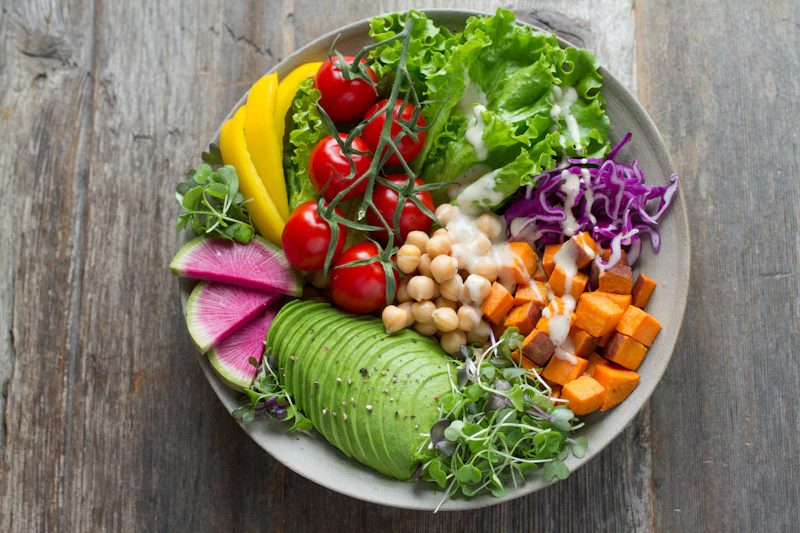
The best high-protein vegan foods include seitan (25g per 100g), hemp seeds (32g), nutritional yeast (50g), tempeh (19g), edamame (11g), lentils and chickpeas (9g each), and firm tofu (8g). Plants provide all essential amino acids — pairing grains with legumes like rice and beans or bread and hummus ensures complete protein profiles throughout the day.
Is the Protein Myth About Vegan Diets Actually True?
The most common concern new vegans hear about is protein. But plants provide all the essential amino acids — you just need to know which to prioritize. Here’s a comprehensive list of the best high-protein plant-based foods to integrate into your daily eating.
What Are the Top High-Protein Plant-Based Foods?
| Food | Protein per 100g |
|---|---|
| Tempeh | 19g |
| Seitan | 25g |
| Edamame | 11g |
| Lentils (cooked) | 9g |
| Chickpeas (cooked) | 9g |
| Black Beans (cooked) | 8.9g |
| Tofu (firm) | 8g |
| Hemp Seeds | 32g |
| Nutritional Yeast | 50g |
| Pumpkin Seeds | 19g |
How Do You Build a Protein-Rich Vegan Plate?
- Always include a legume or tofu-based protein in each main meal.
- Add hemp or pumpkin seeds to salads and smoothie bowls for a passive protein boost.
- Use nutritional yeast as a seasoning in pasta and soups.
- Snack on edamame rather than chips for a protein-rich mid-day bite.
Should You Worry About Combining Proteins at Every Meal?
While complete proteins aren’t necessary at every meal, eating a variety of plant proteins throughout the day ensures you get all essential amino acids. Pair grains with legumes (rice + beans, bread + hummus) for naturally complementary protein profiles. When dining out, restaurants on our vegan directory frequently feature high-protein plant-based dishes prominently.

